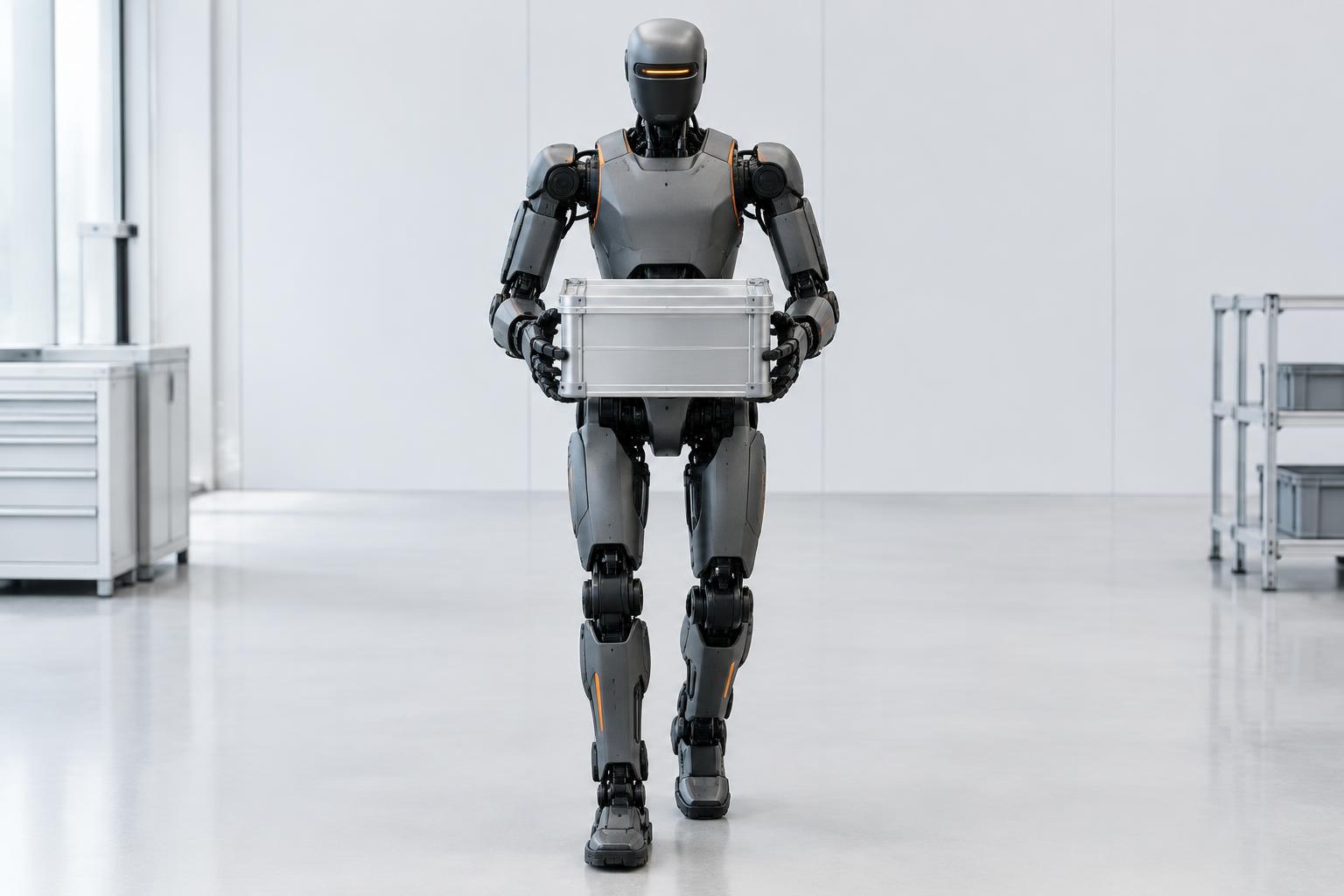
Operations · Internal logistics
Move objects through a known route
Review handoffs, obstacles and the points where a person needs to intervene.
Humanoid robotics can take on well-defined, repetitive routines and give people more room for work that needs judgment, care and creativity.
Explore workplace use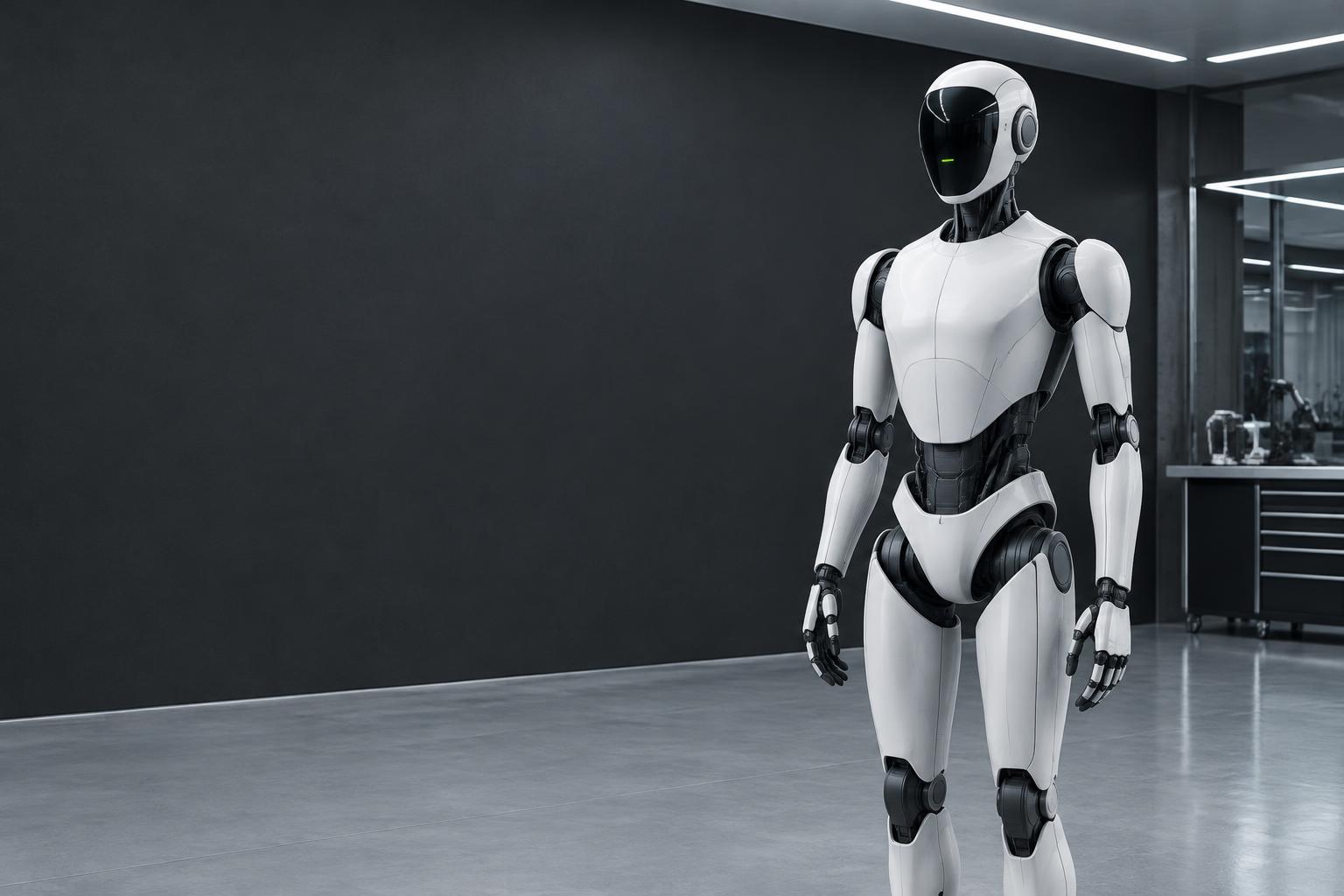
Strong use cases are concrete. They start with a process people know well and make it easier to see where a system might help.
Review handoffs, obstacles and the points where a person needs to intervene.
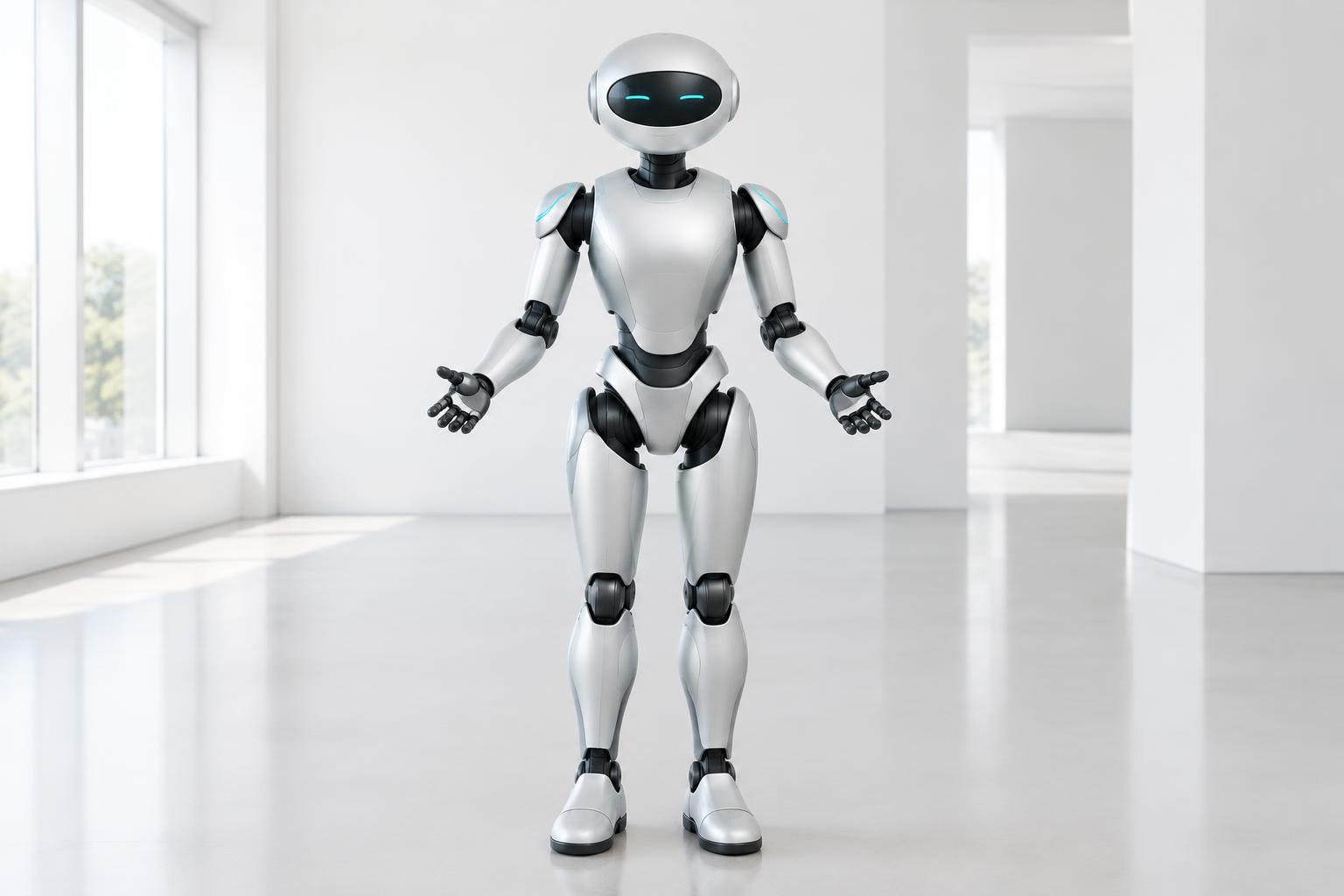
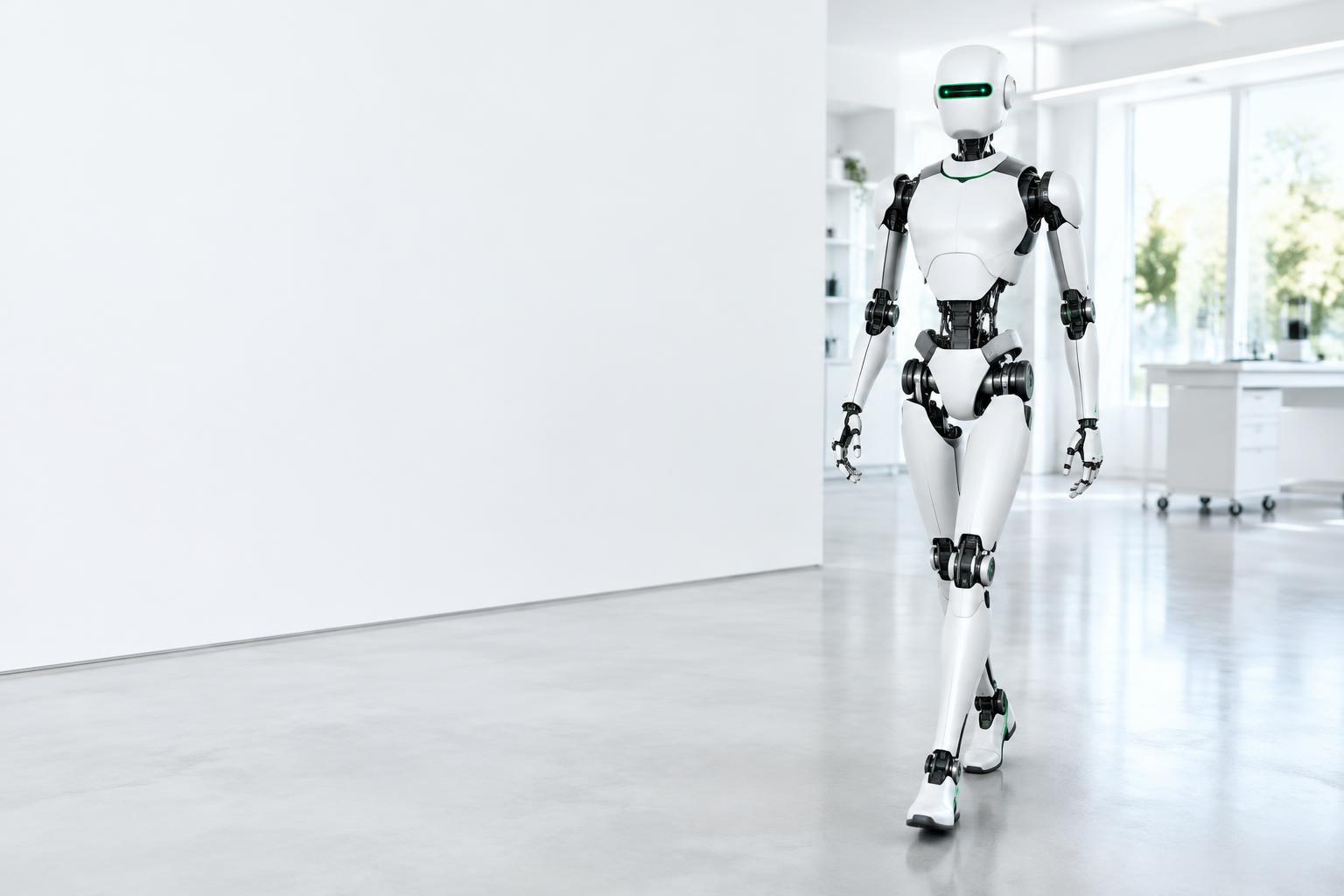
A practical review framework for understanding where robotics can contribute and where human oversight stays essential.
| Layer | Evaluation lens | Question to answer | Human role |
|---|---|---|---|
| Perception | Context awareness | Can the system recognize the objects and boundaries in its environment? | Confirm the scene and task |
| Task intelligence | Clear planning | Are the steps understandable and limited to the agreed routine? | Set priorities and exceptions |
| Controlled motion | Predictability | Can nearby people anticipate what the system will do next? | Supervise and pause |
| Human oversight | Visible control | Can a person redirect or stop the task without friction? | Keep final authority |
A thoughtful introduction earns trust through clear scope, measurable learning and open communication with the people affected by the change.
Document task frequency, handoffs, exceptions and environmental constraints.
Decide when the system acts, when it pauses and when a person takes over.
Invite feedback early and give workers a clear way to raise concerns.
Begin with routine work that is repetitive, well-defined and appropriate for the setting. Verify the fit with the people who do it today.
That depends on the system, task and environment. This design study centers human oversight and does not make a product performance claim.